
Blog ·
What Does 'Hypoallergenic' Actually Mean? The Skincare Marketing Trap
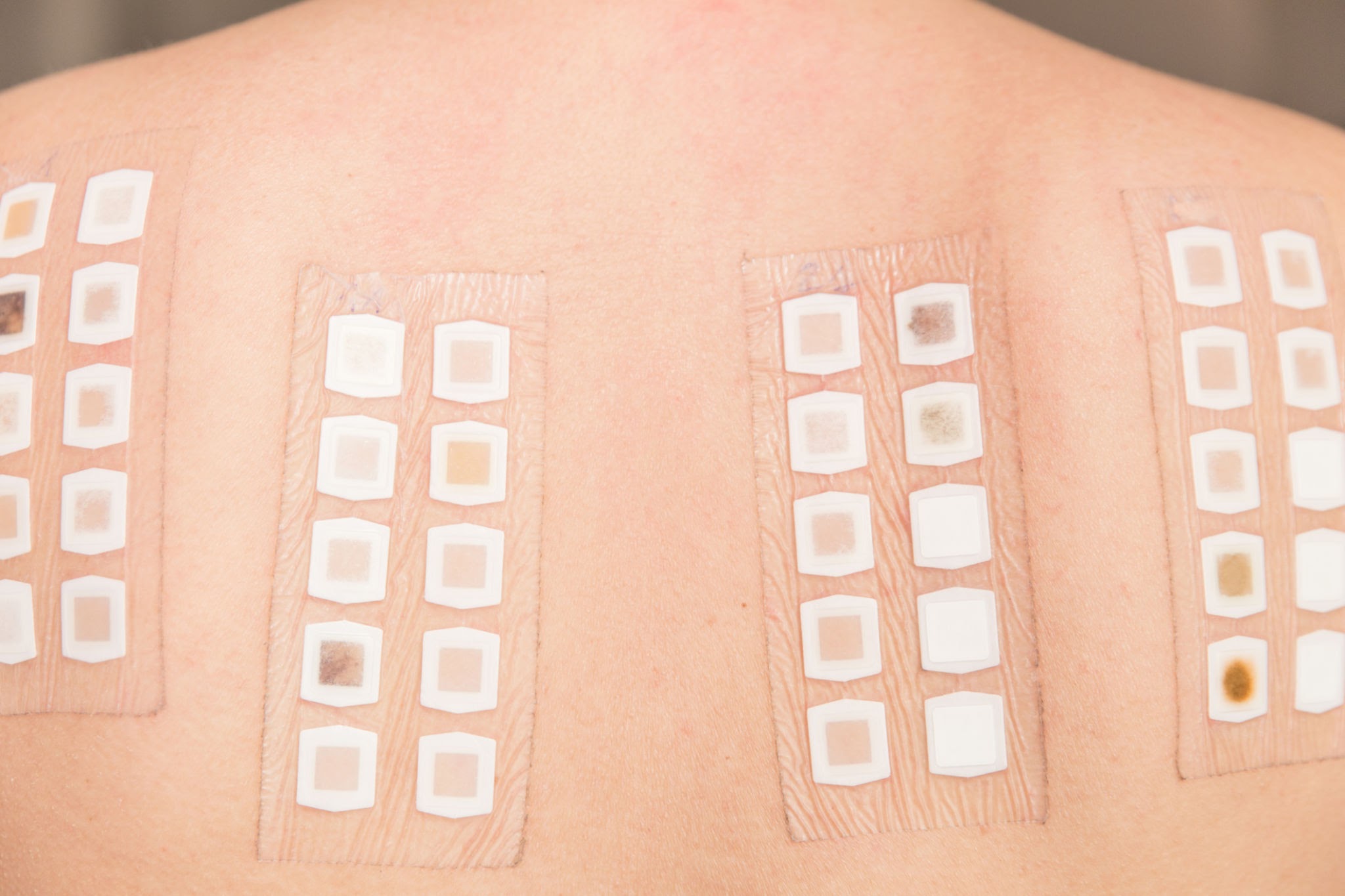
If you have sensitive skin, eczema, or a history of mysterious contact dermatitis breakouts, you’ve probably reached for a bottle labeled “Hypoallergenic” thinking it was a safe zone.
It feels like a guarantee, right? A seal of protection that promises this serum or moisturizer won't turn your face red, itchy, or inflamed.
Here is the inconvenient truth: in the world of skincare, "hypoallergenic" is virtually meaningless.
At DermicIQ, we believe skincare decisions should be driven by formulation science, not marketing buzzwords. Here is what that label actually signifies—and how to protect your skin barrier without falling into the trap.
The Legal Reality: No Standard, No Proof Required
Most consumers assume that before a brand stamps "hypoallergenic" on a box, it undergoes rigorous clinical trials overseen by regulatory bodies.
In reality:
No Regulatory Definition: The U.S. FDA (and equivalent international regulatory bodies in many jurisdictions) does not have a legal definition or standard for the term "hypoallergenic."
No Required Testing: Cosmetics companies are not required to submit clinical test data or prove their claim to the FDA before publishing the word on their packaging.
Pure Marketing: The term simply means the manufacturer believes or claims the product is less likely to cause an allergic reaction than other products. How they reach that conclusion is entirely up to them.
In short: a product labeled "hypoallergenic" can contain known skin irritants and common allergens, and still sit on store shelves legally.
Common Irritants Hiding in "Hypoallergenic" Products
Because there is no standard checklist of banned ingredients for hypoallergenic labeling, many formulations still include sneaky sensitizers:
Ingredient CategoryWhy It Traps ConsumersWhat to Look For InsteadFragrance & Essential OilsEssential oils (like lavender, citrus, or ylang-ylang) are often marketed as "natural," but they contain volatile organic compounds that trigger contact allergies.Look for 100% Fragrance-Free (not just "unscented," which can mask scents with neutralizers).PreservativesIngredients like methylisothiazolinone (MI) or formaldehyde releasers maintain shelf life but rank among the top contact allergens.Look for well-tolerated preservatives like phenoxyethanol or paraben alternatives.Botanical ExtractsPlant-derived antioxidants sound soothing, but complex botanical mixes introduce hundreds of unstandardized protein structures to your skin.Look for purified, single-molecule soothing agents like bisabolol, allantoin, or niacinamide.
"Hypoallergenic" vs. "Dermatologist Tested" vs. "Clean"
The beauty industry loves vague jargon. Here is how "hypoallergenic" compares to other common packaging claims:
Hypoallergenic: "We claim this causes fewer allergic reactions." (Unregulated)
Dermatologist Tested: "At least one dermatologist reviewed or tested this product on a group of volunteers." (Doesn't specify pass/fail criteria or study size).
Clean: A retailer or brand's self-made ban list of ingredients. (No legal or medical standard).
The Takeaway: No single word on the front of a bottle replaces reading the INCI (ingredient list) on the back.
How to Protect Your Skin: The DermicIQ Protocol
If you can't trust the front label, how should you shop for sensitive or reactive skin?
Prioritize "Fragrance-Free" Over "Hypoallergenic": Fragrance is the #1 cause of cosmetic contact dermatitis. Choosing truly fragrance-free formulas eliminates a massive percentage of potential reactions.
Shorten the INCI List: Formulations with 15–20 focused ingredients carry statistically lower allergen risks than complex formulas with 50+ plant extracts and fillers.
Always Perform a Patch Test: Apply a dime-sized amount of the product to your inner forearm or behind your ear once daily for 3–5 consecutive days before putting it on your face.
Learn Your Specific Triggers: If you experience a flare-up, keep the product packaging and consult a dermatologist for a standardized patch test (a panel of localized allergens placed on the back to pinpoint your exact triggers).
Knowledge Is Your Skin Barrier's Best Defense
Don't let clever copywriters dictate what goes onto your skin. The next time you see "hypoallergenic" on a shelf, turn the bottle around, inspect the ingredients, and make an informed choice.